The foundation of every autonomous energy system starts with high-efficiency photovoltaic panels mounted on your rooftop. Our installations use monocrystalline silicon panels that deliver superior performance even in diffused light conditions common during Canadian winters and overcast days.
Each project begins with a detailed site survey. We measure roof angle, orientation, shading patterns throughout the day, and structural load capacity. Using regional solar irradiance data from Natural Resources Canada, we calculate the optimal panel count and placement to maximize annual energy yield for your specific location.
Panels are rated to withstand heavy snow loads, hail, and temperature swings from -40 to +85 degrees Celsius. Whether your home is in the sunny prairies of Alberta or the coastal regions of British Columbia, we select panel models and mounting systems that match your local conditions precisely.

Solar panels generate the most energy during midday hours, but household consumption often peaks in the morning and evening. Battery storage bridges this gap by capturing surplus daytime production and releasing it precisely when your home needs it most.
We install lithium iron phosphate (LFP) battery systems known for their safety, longevity, and stable performance across a wide temperature range. These units mount compactly on a wall in your garage, basement, or utility room and operate silently. Depending on your energy profile, we configure single or stacked battery modules to provide anywhere from 10 to 40+ kilowatt-hours of usable storage.
During grid outages, the battery system seamlessly switches to backup mode, keeping critical circuits powered without interruption. This is particularly valuable in remote Canadian regions where winter storms can cause prolonged power disruptions. The system also enables time-of-use arbitrage: charging from solar when rates are low and discharging to your home when utility prices climb during peak hours.
The intelligence layer of your energy system is what transforms a standard solar installation into a truly autonomous platform. Our AI engine runs continuously, processing data streams from your panels, batteries, appliances, local weather services, and provincial utility rate schedules.
Using machine learning models trained on thousands of Canadian household energy profiles, the system predicts your consumption patterns hours and even days in advance. It knows when your heating system will ramp up on cold mornings, when your electric vehicle will need charging, and when afternoon solar production will dip due to incoming cloud cover.
Based on these predictions, the AI decides in real time whether to charge batteries, draw from reserves, export to the grid for credit, or pre-heat your home while rates are still low. Over the first 30 days of operation, the system refines its model to match your specific household rhythms. After that initial learning period, most homeowners notice a measurable reduction in their energy costs without having changed any habits.
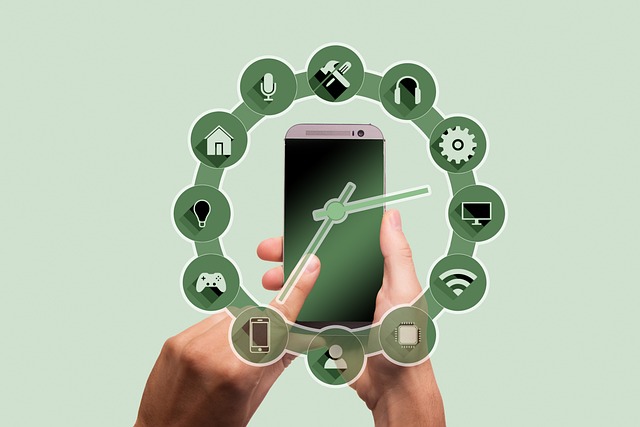
A solar system works best when it communicates with every energy-consuming device in your home. Our smart home integration connects your energy platform to thermostats, lighting systems, EV chargers, water heaters, and major appliances through a single unified interface.
Automated scenarios run throughout the day without any manual input. When solar production peaks, the system can pre-cool your home, charge your vehicle, or run energy-intensive appliances like dishwashers and clothes dryers. When battery reserves drop below a threshold, non-essential loads are reduced automatically. If you leave for vacation, the system shifts to minimal consumption mode while maintaining security and climate protection.
The mobile application gives you full control from anywhere. View device-by-device energy consumption, adjust automation rules, check real-time solar output, and receive notifications about system events. Compatible with popular smart home ecosystems, the platform works alongside devices you may already own, including smart speakers, connected locks, and security cameras.
Each component is powerful individually, but the real advantage comes from their interconnection. Here is the energy flow through your complete system.
Panels convert solar radiation into DC electricity throughout daylight hours
Surplus electricity charges battery reserves for evening and overnight use
Machine learning distributes power based on predictions and real-time data
Smart devices receive clean energy at the right time for peak efficiency
Key performance data for the components we install. All specifications reflect real-world Canadian operating conditions.
21.5%+
Module conversion rate under standard test conditions. Monocrystalline cells with anti-reflective coating for diffused light capture.
6,000+
Charge cycles before reaching 80% capacity retention. LFP chemistry ensures thermal stability and minimal degradation over time.
<5 sec
System adjustments execute within seconds of detecting changed conditions. Continuous monitoring with edge computing for low latency.
-40 to +60°C
All components rated for extreme Canadian temperatures. No performance shutdown in harsh winter conditions common across northern provinces.
<20 ms
Automatic transfer switch transitions to battery backup in under 20 milliseconds during grid outages. Seamless and unnoticeable to occupants.
200+
Smart home hub supports over 200 connected devices simultaneously. Compatible with Zigbee, Z-Wave, Wi-Fi, and Thread protocols.
Canada's diverse climate zones demand regionally tailored approaches. Our systems are configured based on your specific geographic conditions.
Optimized for coastal fog and inland valleys. Panel tilt angles adjusted for lower sun paths in winter. Battery sizing accounts for extended overcast periods common in the Lower Mainland.
High solar irradiance on the prairies yields excellent annual production. Systems sized to handle extreme cold snaps and benefit from the region's abundant sunshine throughout spring and summer.
Designed around time-of-use pricing structures. AI maximizes savings by shifting consumption to off-peak hours and exporting excess during peak rate windows throughout the Greater Toronto Area and beyond.
Complementary to existing hydroelectric infrastructure. Solar and battery storage reduce peak demand charges and provide backup during ice storm outages that periodically affect the province.
Marine climate configurations with corrosion-resistant mounting hardware. Battery reserves sized generously for hurricane season and winter nor'easters that can cause extended grid disruptions.
Extended summer daylight hours create unique production opportunities. Systems designed to maximize generation during the midnight sun period and maintain critical loads through long winter nights.
Every home is different. Our team will assess your property, location, and energy needs to recommend the combination of solutions that delivers the best results for your situation.